
Först förtroende. Sen affärer.
Sättet vi köper har förändrats. Men de flesta företag säljer precis som förut.
Vårt beprövade ramverk, våra workshops och coachning kan vara precis det du behöver för att få fler kvalificerade leads och positionera ditt företag som den mest betrodda rösten inom ditt område.
När du anlitar Grown hjälper vi ditt företag att nå resultaten du vill se från inbound marketing och att ta kontroll över din digitala försäljning och marknadsföring - en gång för alla.
”Traditionell” marknadsföring och försäljning fungerar inte som de brukade. Att generera leads, köpa dyra annonser eller ringa kalla samtal skapar inte förtroende hos dagens moderna B2B-köpare. Sättet som människor köper har förändrats i grunden, men de flesta företag har fortfarande inte uppdaterat sättet de marknadsför och säljer.
Det leder till de problem de flesta företag har när de först kommer till Grown:
- Vi får inte in tillräckligt många kvalificerade leads
- Våra sälj- och marknadsteam jobbar i silos
- Vi spiller vår tid på okvalificerade möten och har svårt att stänga affärer
Så här hjälper vi dig:
Linjera dina sälj- och marknadsteam
Vi linjerar dina team kring de viktigaste, affärsdrivande målen och positionerar dig som den mest betrodda rösten inom ditt område.
Svara på dina köpares frågor
För att sälja i dagens digitala värld behöver du hjälpa dina kunder att köpa. Om dina prospekts har frågor behöver du besvara dem, öppet och ärligt, innan de tar kontakt med dig.
Korta ner dina säljcykler
Ditt säljteam kommer att kunna ha mer riktade och värdefulla dialoger med utbildade och kvalificerade leads som är redo att prata affärer.
Se resultat på veckor – inte månader
Genom att använda ditt innehåll direkt i säljdialogerna ser dina säljare och företagsledning tydliga resultat betydligt snabbare än med traditionell inbound marketing.
Lär dig mer i vårt omfattande kunskapscenter
Filter






Preimär för våra öppna kurser
Nu lanserar vi våra första öppna kurser och utbildningar som hålls fysiskt i Stockholm, Göteborg samt online. De är till för dig som vill hålla dig i absolut framkant när det kommer till hur dagens B2B-köpare har förändrats och vad vi som företag måste göra för att anpassa oss.
Kurserna är lämpliga för dig som funderar på vad nästa steg är i ert inboundarbete eller hur ni hittar ett effektivt samarbete mellan sälj- och marknad. Platserna är begränsade. Skriv ut dig på väntelistan och håll utkik för nya datum.


Står något av följande i vägen för ditt företags tillväxt?
Vår verksamhet saknar en tydlig sälj- och marknadsstrategi
Utan en tydlig riktning slösar ditt företag tid och pengar på marknads- och säljtaktiker som inte längre fungerar.
Vi genererar inte tillräckligt med kvalificerade leads
De leads vi får in är inte redo att prata med sälj. Säljteamet skyller problemet på marknads arbete.
Vår företagsledning förstår inte inbound marketing
Du vet att inbound marketing är det rätta för ditt företag, men din företagsledning och ditt säljteam ser inte värdet och budgeterar därefter.
I en värld där köpare förväntar sig bättre köpupplevelser och större kontroll över sin relation med dig, är det dags för ditt företag att byta mindset.
En marknadsstrategi för dagens moderna köpare
Tiden är förbi för att fånga leads av dålig kvalitet och att använda e-post för att pitcha dina lösningar.
Idag gör dina köpare mer av sin research på egen hand – med lite eller helt utan hjälp från dina säljare. Köpare konsumerar innehåll på fler sätt än tidigare och värdesätter samtidigt sin integritet mer än någonsin.
Därför behövs en strategi som matchar behoven och förväntningarna från dagens utbildade kunder.
En strategi som genomsyrar hela företaget från ledning, sälj och marknad och som positionerar ditt företag som den mest betrodda rösten i branschen.
”Inbound är så brutalt mycket mer än att få besökare att fylla i ett formulär och kalla det för leads – ändå stannar det där för de allra flesta”
Magnus Brynestam, vd Grown
Strategier som vilar på världens ledande ramverk för inbound marketing
Grown var en av de första byråerna som erbjöd HubSpot och inbound marketing i Sverige.
Genom åren har vi sett att de som verkligen når de bästa resultaten med inbound är de som gör det själva. Utan att outsourca det till externa byråer. Därför är vårt erbjudande också lite annorlunda jämfört med andra.
Vi ger våra kunder kompetensen, metoderna och självförtroendet de behöver för att nå resultaten de vill se med inbound – utan att sitta i knät på externa byråer.
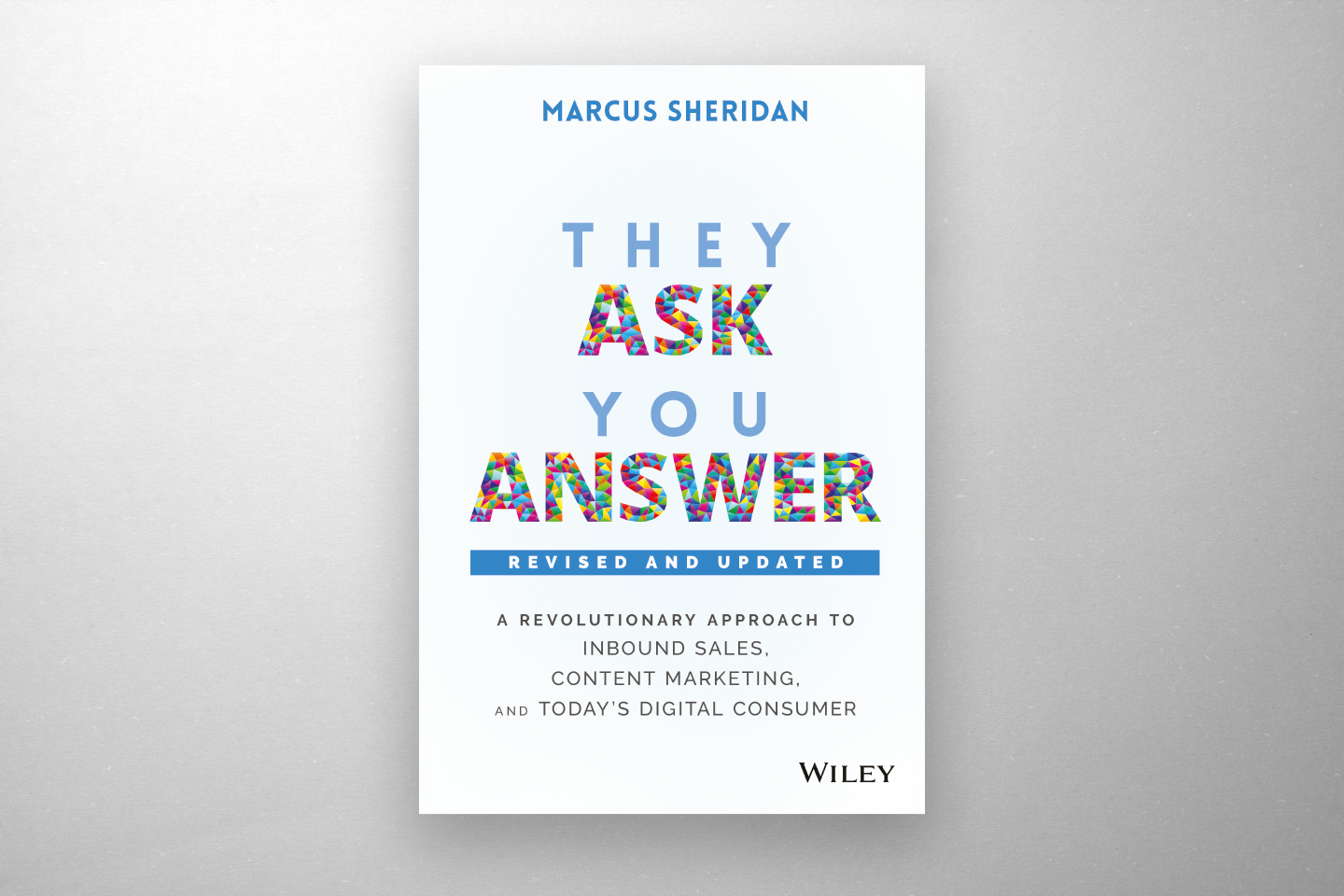
Därför tillämpar vi också fr.o.m 2023 affärsramverket They Ask, You Answer för våra kunder.
Det grundar sig i insikten att framgång i varje verksamhet bygger på förtroende. För att vinna det förtroendet behöver företag vara besatta av de frågor, farhågor och problem som deras köpare har, och ta itu med dem så ärligt och så noggrant som möjligt – lika mycket online som offline.
Men det slutar inte där. Det är också en övertygelse om att dagens köpare har förändrats och att sälj och marknad måste utvecklas med dem bl.a. genom att skapa och publicera digitalt innehåll som driver affärer.
På Grown är det precis den vision vi hjälper våra kunder att förverkliga.
Så kan Grown hjälpa dig nå resultaten du vill se från inbound marketing
Workshop som linjerar dina sälj- och marknadsteam
Skapa en inboundkultur som genomsyrar hela företaget och öka förståelsen internt för hur den digitala köparen har förändrats och vad ditt företag behöver göra åt det.
Coaching & träning för ledning, sälj och marknad
Implementera affärsramverket They Ask, You Answer och nå resultaten du vill se från inbound marketing en gång för alla. Upplev riktig affärstillväxt med coaching och vägledning från Grown.
Digital strategi & rådgivning
Framgångsrik marknadsföring börjar med en hållbar strategi. Med fokus på ökad trafik, fler och bättre leads och accelererad försäljning hjälper vi ditt företag att ta fram en plan för kort- och långsiktig framgång.
HubSpot
Kickstarta din HubSpotresa med oss. Vi hjälper dig snabbt igång och säkerställer att du får ut det mesta av plattformen och undviker vanliga misstag och fallgropar.
Så fick Semcon 20x fler leads
Se hur Grown hjälpt miljardföretaget Semcon öka trafiken, driva fler leads och bevisa värdet av marknadsavdelningens arbete.

Boka ett strategisamtal
Vi är inte en byrå i traditionell mening och därmed inte heller rätt för alla. Istället för att göra marknadsföringen åt dig ger vi dig strategierna, kompetensen och verktygen du behöver för att nå de resultat du vill se.
De företag som når bäst resultat med oss är:
- B2B-företag som vill att sälj och marknad jobbar tillsammans för att driva intäkter
- Företag som söker en långsiktig partner som kan vägleda dem till ordentliga resultat
- Företag som vill investera i sina egna team framför att outsourca till externa byråer
Låter detta som du? Då kan vi vara rätt för varandra. Börja med att boka ett samtal för att se själv.

Magnus Brynestam
Grundare
LinkedIn | magnus@grown.se
